Ardleigh Green Upholstery Cleaning Guide for Emerson Park
If your sofa is looking a bit tired, your dining chairs are showing everyday wear, or a favourite armchair has picked up one too many coffee marks, you are in the right place. This Ardleigh Green Upholstery Cleaning Guide for Emerson Park is designed to help you understand what upholstery cleaning involves, when it makes sense, and how to get better results without damaging delicate fabrics. In a neighbourhood where homes are lived in properly - with pets on the settee, kids bouncing around, and the odd rainy day footprint - good fabric care matters more than most people realise.
Below, you will find a clear walkthrough of cleaning methods, common mistakes, what to expect from a professional service, and how to decide whether to tackle a piece yourself or bring in help. We will keep it practical. No fluff, no overblown claims. Just useful advice you can actually use.
Table of Contents
- Why Ardleigh Green Upholstery Cleaning Guide for Emerson Park Matters
- How Ardleigh Green Upholstery Cleaning Guide for Emerson Park Works
- Key Benefits and Practical Advantages
- Who This Is For and When It Makes Sense
- Step-by-Step Guidance
- Expert Tips for Better Results
- Common Mistakes to Avoid
- Tools, Resources and Recommendations
- Law, Compliance, Standards, or Best Practice
- Options, Methods, or Comparison Table
- Case Study or Real-World Example
- Practical Checklist
- Conclusion
- Frequently Asked Questions
Why Ardleigh Green Upholstery Cleaning Guide for Emerson Park Matters
Upholstery is one of those things you stop noticing until it starts to feel dull, marked, or not quite fresh. Then all of a sudden the whole room looks older. That is the tricky part: fabric furniture quietly collects dust, skin oils, crumbs, pet hair, pollen, and everyday grime long before it looks visibly dirty. By the time you see a dark patch on an armrest, there is usually more going on than meets the eye.
For homes in and around Emerson Park, upholstery cleaning is not only about appearance. It also helps protect the fabric structure, reduce lingering odours, and slow down wear. If you have invested in a good sofa or set of upholstered dining chairs, it makes sense to look after them properly. Truth be told, most people clean upholstery far less often than they should, mainly because it feels fiddly and easy to get wrong.
That is where a local guide helps. Ardleigh Green and Emerson Park share the same practical reality: busy households, mixed traffic patterns, and furniture that has to stand up to real life. A sensible cleaning routine can make furniture last longer and feel better to use, which is no small thing when you spend half your evenings on it.
Expert summary: The best upholstery cleaning approach is usually the one that matches the fabric, the stain, and the level of soil - not the most aggressive one. Gentler and smarter usually wins.
How Ardleigh Green Upholstery Cleaning Guide for Emerson Park Works
At its core, upholstery cleaning is about removing embedded dirt and contaminants from fabric surfaces without causing distortion, colour loss, or excess moisture damage. That sounds simple enough. In practice, it depends on the material, the construction of the furniture, and the type of marks you are dealing with.
A proper clean usually starts with inspection. A cleaner should identify the fabric type, look for manufacturer care labels where available, test any solution in a discreet spot, and decide whether water-based cleaning, low-moisture cleaning, or specialist stain treatment is the safest option. If a piece is antique, silk-blend, velvet, or has fragile trims, the approach may need to be much more cautious.
Most modern upholstery cleaning follows a sequence like this:
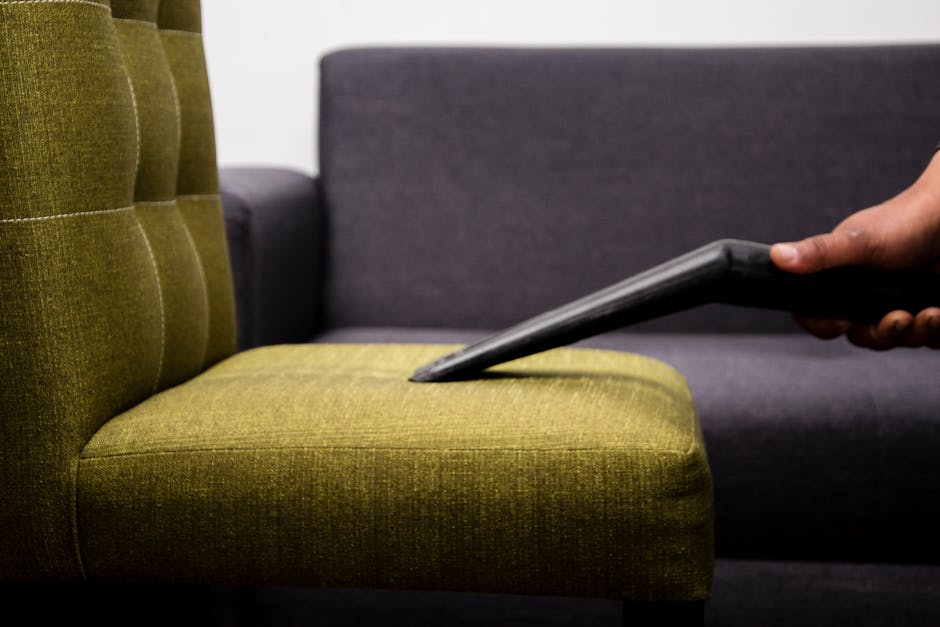
- Dry soil removal using vacuuming and careful brushing.
- Pre-treatment of stains, high-contact areas, and odour sources.
- Selected cleaning method based on fabric compatibility.
- Controlled extraction or wiping to remove loosened soil and residue.
- Drying support and final inspection.
That final part matters more than people think. If upholstery is left too damp, you can end up with slow drying, water marks, musty smells, or fabric that feels crunchy afterwards. Nobody wants that. The goal is a clean piece that still feels like itself.
For some households, a specialist service such as upholstery cleaning is the simplest route. It is especially useful when the item is large, delicate, heavily used, or stained in several places at once. For others, a careful spot-clean and regular maintenance routine may be enough between deep cleans.
Key Benefits and Practical Advantages
There are a few clear reasons upholstery cleaning is worth doing properly rather than rushing through it with a cloth and hope.
- Improved appearance: Fabrics look brighter, less flat, and more cared for.
- Better comfort: Seats feel cleaner and less sticky, especially in warm weather.
- Odour reduction: Everyday smells from pets, food, and smoke tend to settle into fabric.
- Longer fabric life: Removing grit and embedded dirt can reduce abrasive wear.
- Healthier-feeling living spaces: Regular cleaning can help reduce dust buildup on soft furnishings.
- Smarter upkeep: It is often cheaper to maintain furniture than replace it early.
One practical advantage people overlook is the way clean upholstery changes the feel of a room. A sofa does not need to be brand new to look welcoming. It just needs to be clean, evenly cared for, and free from that greyish tiredness that creeps in over time. It is a small thing, but it makes a home feel looked after.
For landlords, small offices, serviced accommodation, and busy family homes, the benefits are even more obvious. Upholstery takes a beating in shared spaces. A sensible cleaning schedule can keep things presentable without constant replacement cycles. And yes, that saves money in the real world, not just on paper.
If the furniture is part of a broader cleaning plan, it can be useful to pair it with carpet cleaning or rug cleaning so the whole room feels consistent rather than half-done. That does make a difference. You notice it when you walk in.
Who This Is For and When It Makes Sense
This guide is useful for anyone who owns upholstered furniture, which is, well, most people. But some situations call for action sooner than others.
You will probably benefit from upholstery cleaning if:
- your sofa or chairs look dull even after routine vacuuming;
- you can see drink spills, food marks, or hand oils on the arms and headrest;
- there is a pet smell or lingering odour in one room;
- you are preparing a home for sale, letting, or guests;
- a child, pet, or visitor has caused a fresh stain;
- the fabric feels rough, sticky, or dusty to the touch;
- you have not had the furniture cleaned in a long time.
It also makes sense for people who are unsure whether to clean it themselves. That is a common point of hesitation, by the way. Many homeowners worry about making stains worse. Sensible concern. The wrong product or too much water can indeed turn a small mark into a bigger problem.
Professional support is especially helpful if the furniture has special fibres, mixed materials, or signs of previous damage. If you are comparing options, looking at a service page like sofa cleaning can help you understand what is typically involved for larger lounge items.
And if the issue is a stain with an odour component - milk, pet accidents, food spills, dampness - then a more focused approach such as pet stain and odour removal may be more appropriate than general cleaning alone. Not every mark is equal. Some are surface-level; others have travelled deeper into the padding.
Step-by-Step Guidance
If you want a simple framework for cleaning upholstery safely, start here. This is the part where a lot of mishaps happen because people skip the boring steps. Don't. The boring steps save the fabric.
1. Check the care label and fabric type
Look for cleaning codes or care guidance on the furniture. If you cannot find the label, inspect the fabric carefully and assume it needs a conservative approach until proven otherwise. Delicate weaves, velvet, silk blends, and some older pieces need more caution than a standard synthetic sofa.
2. Test before cleaning
Always test any product or method in a hidden area. Give it time to dry. A spot that looks fine while wet can behave differently once fully dry, so do not rush this part. Slightly dull? That may be okay. Colour transfer, shrinkage, or texture change? Stop.
3. Vacuum thoroughly
Use a soft brush attachment and vacuum slowly, especially around seams, piping, and cushions. Dry soil acts like grit. If you lift that first, the wet stage becomes more effective and less messy. You would be surprised how much dust hides in the corners.
4. Treat specific stains first
Deal with stains before overall cleaning where suitable. Blot, do not rub. Rubbing can spread the stain and rough up the fibres. For many spills, the best first response is a dry white cloth and patient blotting. A little patience goes a long way here.
5. Apply the correct cleaning method
Depending on the fabric, this may involve low-moisture cleaning, controlled steam or hot water extraction, dry foam, or specialist hand cleaning. Each method has its strengths. The right one depends on the item, not on which product is sitting in the cupboard already.
6. Allow proper drying
Ventilation matters. Open windows if weather allows, use air movement if appropriate, and avoid heavy use until the fabric is properly dry. Sitting on furniture too soon can flatten fibres and reintroduce dirt. Annoying, yes, but worth it.
7. Finish with a final inspection
Check for missed marks, tide lines, trapped moisture, or rough patches. If needed, carry out a careful second pass on problem areas rather than soaking the whole item again.
If the item is part of a bigger clean, some households combine upholstery care with stain removal for troublesome spots or curtain cleaning to freshen the room properly. That tends to produce a more balanced result, especially in living rooms where fabrics all age together.
Expert Tips for Better Results
A few practical habits make a big difference. These are the things experienced cleaners keep doing because they work.
- Use minimal moisture on sensitive fabrics. More water is not the same as more cleaning power.
- Work from the outside of a stain inward. It helps prevent the mark from spreading.
- Keep a note of what was used. If you clean the same chair again later, you will know what worked.
- Vacuum weekly if possible. It is the easiest way to stop grime settling into fibres.
- Rotate cushions. Uneven wear is common, and rotation can slow it down.
- Be careful with scented sprays. They can mask odour briefly while leaving residue behind.
Here is one small but useful habit: keep a clean white cloth and a little plain water nearby for fresh spills. If you catch a spill early, it is often much easier to manage than a stain that has had hours to settle. Sounds obvious, but in real homes, time slips away fast.
If you are dealing with a household that includes pets, it can be helpful to combine upholstery care with regular attention to the surrounding textiles, including mattress cleaning and steam carpet cleaning where suitable. That helps reduce the overall load of dust, dander, and odour in the room.
Also, do not ignore the underside of cushions and the back panels. Some of the grimiest areas are the ones guests never see. The front looks fine, the back not so much. Life, eh?
Common Mistakes to Avoid
Upholstery cleaning mistakes are often small at the start and annoying later. Most of them come from trying to rush, over-wet the fabric, or use products that were never really meant for upholstery in the first place.
- Rubbing stains aggressively: This can distort fibres and spread the mark.
- Skipping the test patch: A small test could save a whole chair.
- Using too much product: Residue attracts dirt and can leave the fabric sticky.
- Over-wetting cushions: This may cause long drying times and odour issues.
- Ignoring the frame or filling: A surface may look clean while deeper layers remain dirty.
- Using the wrong fabric method: What works on a synthetic sofa can damage a natural fibre piece.
- Trying to force old stains out too quickly: Some stains need staged treatment, not brute force.
One of the most common issues, especially with DIY attempts, is what people call a "clean ring" or tide mark. That happens when moisture and soil move outward and dry unevenly. It can look worse than the original stain. Frustrating stuff. The fix is usually more careful blending, not more scrubbing.
Another mistake is forgetting about odour sources. If there has been a spill involving milk, food, pet accidents, or damp, surface cleaning alone may not be enough. In those cases, a deeper treatment or a service focused on pet stain and odour removal may be the better call.
Tools, Resources and Recommendations
You do not need a huge kit to care for upholstery well. In fact, keeping things simple often works best.
- Soft brush vacuum attachment for routine dust and debris removal.
- Clean white microfibre cloths so you can see stain transfer clearly.
- Gentle upholstery-safe cleaner matched to the fabric type.
- Small bowl of plain water for controlled blotting and rinsing.
- Fan or open-window ventilation to support drying.
- Disposable gloves if you are handling unknown marks or strong products.
For people who prefer professional support, it is worth exploring the wider range of related services so you can tackle the whole textile picture at once. The site pages for upholstery cleaning, sofa cleaning, and carpet cleaning are a good starting point for understanding how different surfaces are approached.
If you are planning a bigger refresh, upholstery care often pairs well with rug cleaning or curtain cleaning. That is especially useful when a room has been lived in hard through winter and everything seems to hold onto that slightly stale indoor feel. You know the one.
For practical information on what to expect around pricing, timing, or booking details, the page on pricing and quotes can help set realistic expectations before you commit.
Law, Compliance, Standards, or Best Practice
When upholstery cleaning touches household safety, fabrics, chemicals, and worker access, a cautious, best-practice approach is the right one. In the UK, good cleaning practice generally means using products responsibly, reading labels, keeping people and pets safe while surfaces dry, and avoiding any method that could create preventable damage.
For professional cleaners, common expectations include sensible risk assessment, appropriate insurance, clear communication about fabric limitations, and safe handling of cleaning agents and equipment. That is not overkill; it is basic professionalism. A trustworthy provider should be open about what can and cannot be cleaned safely, rather than promising miracles for every mark under the sun.
If a household includes allergy concerns, respiratory sensitivities, or vulnerable occupants, low-residue methods and proper drying become even more important. No one should be left with strong chemical smells hanging in the room all day. That just makes the job feel wrong.
It is also fair to expect transparent terms, payment security, and a clear complaints route if something goes off track. Those details may not sound exciting, but they matter. For a service provider, pages like insurance and safety, health and safety policy, and terms and conditions help show how that side of the service is handled. If you ever need to understand how your data is managed, privacy policy and payment and security are worth checking too.
For environmentally minded households, it can also be reassuring to see a provider think about waste, product use, and responsible disposal. A page such as recycling and sustainability can be a useful sign that these issues are taken seriously.
Options, Methods, or Comparison Table
Choosing the right upholstery cleaning method depends on the fabric, the level of soil, and how quickly you need the furniture back in use. The table below gives a practical comparison.
| Method | Best for | Advantages | Watch-outs |
|---|---|---|---|
| Vacuuming and dry brushing | Routine maintenance | Simple, safe, and good for lifting loose dust | Won't remove set-in stains |
| Spot cleaning | Fresh marks and small spills | Fast and targeted | Can spread stains if done too hard |
| Low-moisture cleaning | Delicate or moisture-sensitive fabrics | Reduces drying time and risk of over-wetting | May need careful technique for deeper soil |
| Hot water extraction / steam-style cleaning | Many durable synthetic fabrics | Can remove deeper dirt and residue | Not suitable for every fabric; drying time matters |
| Specialist hand cleaning | Fragile, antique, or high-value pieces | Tailored approach with more control | Usually slower and more labour-intensive |
As a rule of thumb, the more delicate the fabric, the more cautious the method should be. The stronger the soil load, the more likely you will need a deeper clean. Simple, yes. Easy, not always.
For some homes, a general service is enough. For others, a more targeted solution like stain removal alongside upholstery cleaning is the smarter choice. That is especially true if the furniture has a mix of old and new marks, because one treatment rarely fixes everything equally well.
Case Study or Real-World Example
A typical local scenario goes something like this. A family in Emerson Park notices that their three-seater sofa has become patchy along the arms and seat cushions. There is a faint food smell, a couple of dark marks near the headrest, and one cushion that always looks darker than the others.
They start by vacuuming thoroughly, then test a small hidden patch with a gentle upholstery-safe cleaner. The test looks fine after drying, so they move on carefully. The most visible stain lightens, but the headrest area still looks dull because body oils have built up over time. That is normal. Very normal, actually.
At that point, they decide the piece needs more than a quick wipe and book a professional clean. The technician inspects the fabric, pre-treats the stained sections, uses a controlled cleaning method suited to the material, and pays extra attention to drying. By the end, the sofa is not magically brand new - and anyone promising that would be overselling it - but it looks fresher, smells better, and feels comfortable again.
That kind of result is often the real win. Not perfection. Just a piece of furniture that looks cared for, performs better, and fits back into the room without drawing the eye for the wrong reasons.
Practical Checklist
Use this checklist before you clean upholstery yourself or arrange a service.
- Identify the fabric type or care label if available.
- Check for loose buttons, seams, or weak stitching.
- Vacuum all surfaces, including seams and under cushions.
- Test any cleaner in a hidden spot.
- Treat the stain gently rather than scrubbing it.
- Use as little moisture as possible for the fabric type.
- Make sure the room can air out properly.
- Keep children and pets away while the furniture dries.
- Inspect for tide marks or residue once dry.
- Consider related fabric cleaning if the room needs a fuller refresh.
Quick reminder: if you are unsure about the fabric, pause and check. A five-minute delay is much better than a permanent mark. Seriously.
Conclusion
Good upholstery cleaning is less about blasting away dirt and more about understanding what each fabric can handle. Once you know that, the whole process becomes much calmer. You can decide what to clean yourself, what to leave alone, and when it is worth getting a professional involved. That is the heart of this Ardleigh Green Upholstery Cleaning Guide for Emerson Park: sensible decisions, cleaner furniture, and fewer avoidable mistakes.
Whether you are freshening a family sofa, dealing with a stubborn spill, or planning a full room reset, the best results usually come from a careful method and a realistic expectation. Upholstery takes daily life on the chin. It deserves a bit of steady care in return.
Get a free quote today and see how much you can save.
If you are ready to take the next step, start by reviewing the service details that best match your furniture and the level of cleaning you need. A little planning now can save a lot of hassle later, and that is usually time well spent.
Frequently Asked Questions
How often should upholstery be cleaned?
For most homes, a light routine clean and vacuuming should happen regularly, while deeper upholstery cleaning is typically needed less often depending on use, pets, children, and fabric type. High-traffic seating usually needs attention sooner than spare-room furniture.
Can I clean upholstery myself?
Yes, if the fabric is suitable and the mark is small. The key is to test first, use minimal moisture, and avoid harsh scrubbing. If the item is delicate, expensive, or badly stained, professional cleaning is usually safer.
What is the safest way to remove a fresh stain?
Blot it gently with a clean white cloth, starting from the outside of the spill and working inward. Do not rub. Rubbing spreads the stain and can rough up the fabric surface.
Will upholstery cleaning remove odours?
Often it will help a lot, especially where odours come from surface dirt or light spills. Strong odours from pets, milk, smoke, or damp may need more targeted treatment and deeper cleaning.
Is steam cleaning always suitable for sofas?
No, not always. Some fabrics can handle hot water extraction or steam-style cleaning well, but delicate or moisture-sensitive fabrics may need a different method. Fabric type decides the method, not the other way around.
How long does upholstery take to dry?
Drying time varies by fabric, cleaning method, airflow, and how much moisture was used. Good ventilation helps. If a piece is still damp, avoid sitting on it until it feels properly dry.
What stains are hardest to remove from upholstery?
Old grease marks, dye transfer, pet accidents, and stains that have set deep into the padding can be the trickiest. Some marks improve significantly but do not disappear completely, especially if they have been there a long time.
Can upholstery cleaning help with allergies?
It may help reduce dust and allergens trapped in fabric, especially when combined with regular vacuuming. It is not a medical treatment, of course, but cleaner soft furnishings can make a room feel fresher.
Should I clean the whole sofa or just the stain?
If the stain is local and the rest of the sofa is in good condition, spot treatment may be enough. If the arms, seat, or cushions are generally dull, a full clean usually gives a more even result.
What should I check before booking a professional cleaner?
Look for clear information about fabric handling, safety, insurance, pricing, and terms. It is also sensible to check how the company handles complaints, security, and privacy so there are no surprises later on.
Does upholstery cleaning include cushions and removable covers?
It depends on the furniture and the fabric. Some removable covers can be cleaned separately, while others should stay in place. Always follow the care guidance and make sure the cleaning method suits both the cover and the inner filling.
When is it better to replace upholstery instead of cleaning it?
If the fabric is badly worn, torn, or structurally damaged, cleaning may only improve appearance rather than solve the underlying issue. In those cases, a repair or replacement may make more sense. It is a judgement call, really.