Achieving a pristine, dust-free sanctuary at home

Introduction
Imagine walking into your home and breathing air so clean that it feels like you've stepped into a calm, gentle forest after rain. No floating particles in the sunlight. No gritty film on furniture. No musty smells. Achieving a pristine, dust-free sanctuary at home isn't a fantasy--it's the outcome of proven, practical steps informed by science, health guidance, and smart product choices. Whether you're combating allergies, protecting your family's health, or simply striving for an immaculate interior, this definitive guide provides everything you need to create a consistently low-dust environment that looks and feels exceptional.
Written by an indoor air quality consultant with over a decade of field experience, this long-form guide combines hands-on advice with standards and best practices. You'll learn how to assess your home's dust load, eliminate sources, filter and ventilate effectively, and clean like a pro using methods that trap and remove particles--instead of spreading them around. From HEPA filtration to humidity control, from daily routines to seasonal deep cleans, we'll help you confidently build an allergy-friendly, hygienic space that stands the test of time.
- Goal: A home that stays cleaner longer, protects respiratory health, and reduces time spent on maintenance.
- Approach: Source control + data-driven filtration + correct cleaning methods + UK-compliant ventilation and materials.
- Outcome: A truly low-dust sanctuary you'll notice in how you breathe, sleep, and live.
Table of Contents
- Why This Topic Matters
- Key Benefits
- Step-by-Step Guidance
- Expert Tips
- Common Mistakes to Avoid
- Case Study or Real-World Example
- Tools, Resources & Recommendations
- Law, Compliance or Industry Standards (UK-focused)
- Checklist
- Conclusion with CTA
- FAQ
Why This Topic Matters
Household dust is more than a cosmetic nuisance. It's a complex mixture that can include skin flakes, textile fibres, pollen, soil, pet dander, cooking aerosols, insect fragments, microplastics, and combustion particles from candles, fireplaces, and outdoor traffic. For sensitive individuals--children, older adults, and anyone with asthma or allergies--dust can exacerbate symptoms and reduce quality of life. Even for the healthiest among us, dust accelerates wear on electronics and finishes, clogs vents, and increases cleaning time.
From a public health perspective, fine particulate matter (PM2.5) is the category of greatest concern; finer particles penetrate deeper into the lungs. International health bodies consistently report that lowering PM2.5 exposure supports better cardiovascular and respiratory outcomes. In the UK, Building Regulations Part F emphasizes adequate ventilation to control moisture and indoor pollutants. Meanwhile, dust mites--a major indoor allergen--thrive at relative humidity (RH) above 50% and in fabrics that accumulate skin cells. Managing humidity and reducing textile dust traps are key for keeping allergen levels down.
In short, achieving a pristine, dust-free sanctuary at home supports long-term health, comfort, and asset longevity. It also makes life easier. Clean less, enjoy more.
Key Benefits
- Healthier air: Lower PM2.5 and allergens support respiratory health, reduce symptoms, and improve sleep quality.
- Less cleaning time: Once dust sources and air pathways are controlled, surfaces stay cleaner for longer.
- Allergy and asthma relief: Combining HEPA filtration with humidity management reduces dust mite and pollen exposure.
- Protects property: Cleaner air extends the life of HVAC systems, electronics, finishes, and soft furnishings.
- Better odour control: Odours often ride on particles; remove the particles and smells diminish.
- Professional appearance: An immaculate home makes a strong impression and feels noticeably calmer.
- Energy efficiency: Clean filters and vents reduce energy waste; controlled humidity improves comfort.
Step-by-Step Guidance
Below is a complete, practical pathway to achieving a pristine, dust-free sanctuary at home. Adapt it to your property type and routines.
Step 1: Establish a Baseline
- Visual audit: Identify dust hotspots--tops of wardrobes, vents, skirting boards, behind furniture, on blinds, and around electronics.
- Measure: Use a basic air quality monitor to track PM2.5/PM10 for a week. Note spikes after cooking, vacuuming, or opening windows.
- Humidity check: Place a simple hygrometer in bedrooms and living spaces. Aim for 40-50% RH.
- Textile inventory: Count heavy drapes, plush rugs, throws, and soft toys--common dust reservoirs.
Step 2: Control Sources
- Entryway strategy: Install a three-mat system--outdoor scraper mat, indoor absorbent mat, and a secondary runner. Adopt a no-shoes policy.
- Pet grooming: Brush pets outdoors or in a contained area with a vacuum nearby. Launder pet bedding weekly at 60?C.
- Textile choices: Swap heavy drapes for washable blinds or lighter fabrics. Prefer tightly woven, low-shed textiles.
- Minimise clutter: Clear open shelves; store items in closed cabinets. Less stuff = fewer dust landing zones.
- Combustion sources: Limit candles and incense; choose unscented, smokeless options or LED alternatives.
Step 3: Ventilation and Filtration
- Compliant ventilation: Ensure kitchen and bathroom extractors are ducted outdoors and meet UK Part F flow rates. Keep trickle vents open.
- Air purifiers: Select a unit with sufficient CADR for the room size. Filters rated to EN 1822 (H13/H14 HEPA) or high ePM1 efficiency (ISO 16890) are ideal.
- HVAC/HRV filters: If you have forced-air systems or MVHR, choose filters with high ePM1 ratings (ePM1 >= 70%). Replace on schedule.
- Sealed HEPA vacuums: Use a bagged, sealed-system vacuum with HEPA H13 filtration to capture and retain fine dust.
Step 4: Humidity Management
- Target RH 40-50%: Below 60% is essential to deter dust mites and mould. Above 70% encourages growth; below 35% can increase static and resuspension.
- Dehumidify smartly: Size dehumidifiers by litres/day and room volume. Place near moisture sources (bathrooms, basements).
- Eliminate cold spots: Insulate and improve airflow to reduce condensation on windows and cold bridges.
Step 5: Clean for Capture, Not Scatter
- Damp dusting: Use slightly damp, high-GSM microfiber. Avoid dry dusting and feather dusters, which resuspend particles.
- Top-to-bottom sequence: Clean high surfaces first (ceiling fans, lights, tops of cabinets), then mid-level, then floors.
- Vacuum technique: Slow, overlapping passes. For carpet: 3-4 passes per lane. For hard floors: vacuum before damp mopping.
- Launder textiles hot: Wash bedding and washable covers at 60?C to reduce dust mites (aligned with clinical recommendations).
- Containment: When cleaning high-dust zones, shut doors and run an air purifier in the room to capture airborne particles.
Step 6: Room-by-Room Upgrades
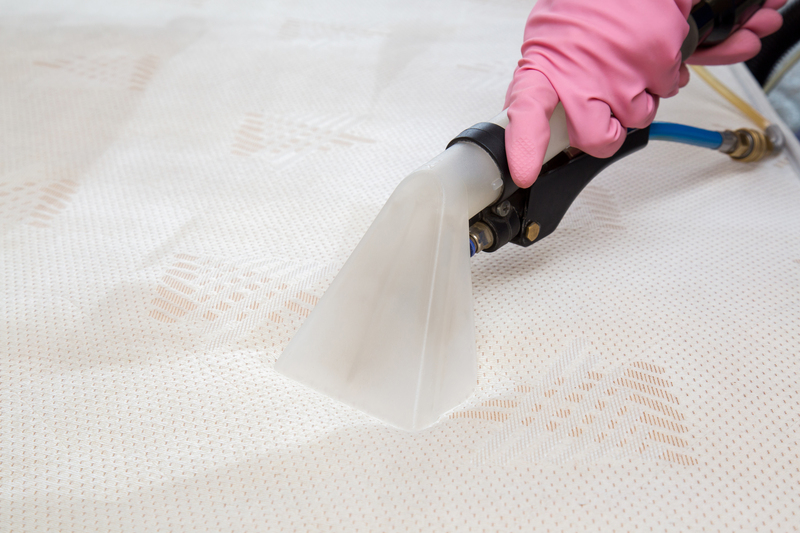
- Bedrooms: Allergy encasements for mattresses and pillows; wash duvets and pillows quarterly; vacuum mattress monthly with HEPA tool.
- Living areas: Replace heavy curtains; choose easy-clean blinds; reduce open shelving or use glass-front cabinets.
- Kitchen: Use an externally vented cooker hood; wipe cupboards and tops of appliances monthly; keep bins closed.
- Bathrooms: Run extract fans during and 20 minutes after showers; squeegee surfaces to reduce moisture and dust adhesion.
- Home office: Position purifiers near electronics; use anti-static wipes for screens; manage cable dust traps with channels.
Step 7: Floors and Soft Furnishings
- Carpet: Vacuum at least twice weekly (more with pets). Annual professional hot-water extraction (CRI/SOA-compliant) can remove embedded soils.
- Hard floors: Vacuum with a soft brush head; then damp mop with minimal, residue-free cleaner. Rinse mop heads thoroughly.
- Rugs: Prefer low-pile, washable rugs. Beat and wash seasonally; use underlay to reduce movement and dust creep.
- Upholstery: Vacuum monthly using appropriate tools. Consider fabrics labelled for low linting or easy cleaning.
Step 8: Electronics, Radiators, and Vents
- Radiators and baseboards: Use radiator brushes and vacuum crevices. Dust accumulates where warm air rises.
- Vents and grilles: Vacuum with a soft brush attachment. Replace or wash filters on schedule.
- Computers and A/V: Power down and clean with anti-static cloths; blow out fans outdoors if needed to avoid indoor resuspension.
Step 9: Renovation and DIY Dust Control
- Containment: Seal work zones with plastic sheeting and zippers; maintain negative pressure with a fan and filter.
- Wet methods: Cut and sand with dust extraction and/or wet techniques. Clean with HEPA vacs, not household models.
- Protect ductwork: Seal supply and return vents during works. Clean the area thoroughly before removing seals.
Step 10: Seasonal Deep Clean and Monitoring
- Spring/Autumn: Move furniture, vacuum edges, wash walls and skirting boards, clean behind appliances.
- Filter schedule: Replace or wash filters per manufacturer guidance or sooner if PM levels rise.
- Data-driven tweaks: Track PM2.5 and RH. If a room persistently spikes, reassess its sources and ventilation.
Expert Tips
- Use colour-coded microfiber: Prevent cross-contamination by dedicating cloth colours to specific zones (e.g., bathrooms vs kitchens).
- Anti-static care: A slightly damp microfiber with a drop of isopropyl solution reduces static on plastics and blinds, limiting re-attraction.
- Entryway excellence: A three-mat system can capture up to 80% of tracked-in soils. Vacuum mats frequently.
- Bagged vs bagless vacuums: Bagged, sealed systems generally leak less dust during disposal; if bagless, empty outdoors carefully.
- Night-time purification: Run a quiet air purifier in bedrooms at night; ensure the clean air delivery aligns with room volume.
- Smart scheduling: Use calendar reminders for filter changes, deep cleans, and textile laundering.
- Low-residue products: Residues attract dust. Use gentle, non-sticky cleaners and rinse mop heads well.
- Minimise microfibres: Wash synthetic fabrics in full loads; consider a microfibre capture bag or filter to reduce fibre shedding.
Common Mistakes to Avoid
- Dry dusting and feather dusters: They launch particles back into the air. Always use damp microfiber.
- Under-filtered vacuums: Without a sealed HEPA, vacuums can emit fine dust into the room.
- Over-humidifying: Humidifiers without monitoring can encourage dust mites and mould.
- Neglected extractor fans: Poor kitchen and bathroom ventilation increases RH and sticky deposits that hold dust.
- Wrong filter orientation: Install filters with airflow arrows pointing correctly; leaks around the frame reduce efficiency.
- Fabric softener on microfiber: Softeners coat fibres, reducing their ability to capture dust. Air-dry or low-heat tumble.
- Unnecessary duct cleaning: Domestic ducts don't always need cleaning; target only if contaminated or after major works, using qualified providers.
- Scented cover-ups: Fragranced sprays add VOCs and can bind to particles. Remove dust instead of masking odours.
Case Study or Real-World Example
Profile: A family of four in Manchester sought to reduce allergy symptoms and constant cleaning. Pets included one dog. The home was a 3-bedroom semi-detached with carpeted bedrooms and hard floors downstairs.
- Baseline: PM2.5 averaged 18-35 ?g/m? with spikes over 60 ?g/m? during cooking. RH in bedrooms hovered around 58-65%. Weekly visible dust buildup on TV stands and skirting boards.
- Interventions:
- Adopted no-shoes policy and three-mat entryway system.
- Switched to sealed, bagged HEPA H13 vacuum; increased vacuuming frequency to 3x per week in high-traffic areas.
- Installed ePM1 >= 70% filters in MVHR; added a H13 air purifier in the master bedroom and living room.
- Ran bathroom extract fans for 20 minutes post-shower; added a 12L/day dehumidifier to maintain 45-50% RH upstairs.
- Replaced heavy drapes with washable roller blinds; laundered bedding weekly at 60?C and added allergen-proof encasements.
- Results (8 weeks):
- PM2.5 24-hr average reduced to 6-12 ?g/m?; cooking spikes halved with improved hood use.
- Bedroom RH stabilized at 45-50%.
- Dusting frequency dropped from every 3 days to once weekly, with visibly less accumulation.
- Family reported fewer morning sniffles; the dog's bedding wash routine reduced pet dander odours.
Takeaway: Combining source control, ventilation, filtration, and refreshed cleaning habits created a tangible shift--delivering on the promise of achieving a pristine, dust-free sanctuary at home.
Tools, Resources & Recommendations
- Microfiber cloths: High-GSM (300-350+) for dust capture; keep a stack for rotation. Avoid fabric softener.
- HEPA vacuum: Sealed system, bagged preferred, with motorised brush head for carpets and soft brush for hard floors.
- Air purifiers: HEPA H13/H14 or ISO 16890 ePM1-focused filters; choose CADR to match room size (aim for 4-5 air changes per hour in bedrooms).
- Filters: For MVHR/HVAC, choose ISO 16890 ePM1 filters (e.g., ePM1 60-80%). Check frames and seals to prevent bypass.
- Hygrometers & dehumidifiers: Simple digital RH sensors; dehumidifier sized to space and moisture load.
- Entryway mats: Scraper outside + absorbent inside; vacuum daily in high-traffic homes.
- Radiator brushes and crevice tools: Reach dust traps that standard tools miss.
- Steam cleaner (optional): Useful for upholstery and curtains; follow fabric care labels.
- Allergen-proof encasements: Zipped, breathable covers for pillows and mattresses; check pore size ratings.
- Task app or calendar: Schedule filter changes, deep cleans, and textile laundering.
Law, Compliance or Industry Standards (UK-focused if applicable)
- Building Regulations Part F (Ventilation): Requires adequate ventilation rates and extraction in wet rooms to manage moisture and indoor pollutants.
- BS EN 1822: Classification for HEPA/ULPA filters (e.g., H13/H14) relevant to high-efficiency air purifiers and vacuum filtration claims.
- ISO 16890: Modern standard for classifying air filters based on particulate size efficiencies (ePM1, ePM2.5, ePM10) used in MVHR/HVAC filters.
- BS 5250: Guidance on condensation and moisture control in buildings--key to preventing mould and dust adhesion.
- COSHH (Control of Substances Hazardous to Health): For professionals using cleaning chemicals, risk assessments and safe use are required; households should still follow label safety.
- REACH (UK): Governs chemical safety; choose cleaning products compliant with UK REACH to minimise hazardous exposures.
- Homes (Fitness for Human Habitation) Act & HHSRS: Landlords must address damp and mould risks that contribute to poor indoor air quality and dust adhesion.
- Electrical safety/UKCA: Appliances like vacuums and purifiers should carry appropriate conformity markings and be used per manufacturer instructions.
Checklist
Daily
- Run kitchen extractor during and after cooking.
- Wipe high-touch surfaces with damp microfiber.
- Keep entryway mats clean; enforce no-shoes rule.
Weekly
- Vacuum all floors 1-3 times (more with pets); mop hard floors.
- Wash bedding at 60?C; vacuum mattresses and upholstery as needed.
- Damp-dust skirting boards, blinds, and vents.
Monthly
- Wash or replace HVAC/MVHR pre-filters as recommended.
- Detail clean tops of wardrobes, kitchen cabinets, and behind furniture.
- Brush radiators and vacuum crevices.
Quarterly
- Launder curtains or clean blinds; wash throws and cushion covers.
- Replace or deep-wash entryway mats.
- Check and adjust RH; service dehumidifier and purifier filters.
Annually
- Professional carpet/upholstery clean (where applicable).
- Move appliances and furniture for a full perimeter and under-structure clean.
- Review and update your cleaning schedule based on PM2.5 and RH data.
Conclusion with CTA
Building and maintaining a truly low-dust home isn't about working harder--it's about working smarter with the right sequence: control sources, ventilate and filter, clean for capture, and monitor to improve. By aligning everyday habits with sound standards and proven techniques, you can turn any property into an immaculate, dust-free sanctuary that protects health, saves time, and elevates comfort.
Ready to put a plan into action? Whether you want help choosing the right filters and purifiers, setting up a data-informed cleaning routine, or tackling a deep clean, we're here to help.
Get a free quote today and see how much you can save.
FAQ
How often should I vacuum to keep dust truly low?
High-traffic areas benefit from vacuuming 2-3 times per week, with bedrooms and low-traffic rooms at least once weekly. Use a sealed HEPA vacuum and slow, overlapping passes.
Is a HEPA air purifier worth it for dust?
Yes. A HEPA H13/H14 purifier or one with high ePM1 efficiency can significantly reduce airborne fine particles. Size the unit to the room (aim for 4-5 air changes per hour in bedrooms).
What humidity is best for reducing dust mites?
A relative humidity of 40-50% strikes a sweet spot--low enough to deter dust mites and mould, high enough to avoid static and particle resuspension.
Do bagless vacuums leak more dust than bagged?
Many do during emptying. Bagged, sealed systems typically release less dust. If you prefer bagless, empty the bin outdoors carefully and clean seals regularly.
How can I reduce dust without buying new appliances?
Adopt a no-shoes policy, use a robust entryway mat system, damp-dust with microfiber, wash bedding weekly at 60?C, and keep extractor fans and trickle vents functioning properly.
Are candles and fireplaces big dust sources?
They contribute to fine particulate and soot that settles as dust. If used, choose cleaner-burning options, keep wicks trimmed, and ventilate well; consider LED alternatives for ambience.
Should I clean air ducts to reduce dust?
Only if there's visible contamination, post-renovation debris, pests, or odour issues. Routine duct cleaning isn't always necessary in UK homes; prioritise filtration and source control.
What's the best way to dust blinds and shutters?
Close slats, wipe with a slightly damp microfiber from top to bottom, then reverse the slats and repeat. A tiny amount of anti-static solution can reduce future build-up.
Do indoor plants increase dust?
Plants can collect dust on leaves and may add soil particles if disturbed. Wipe leaves periodically and consider covered or LECA media to reduce loose soil dust.
How do I choose the right filter for MVHR or HVAC?
Look for ISO 16890 ratings prioritising ePM1 efficiency (e.g., ePM1 >= 60-80%). Ensure proper sealing to avoid bypass, and replace per schedule or when pressure drop rises.
Can I use fabric softener on microfiber cloths?
No. Softeners coat fibres, reducing their electrostatic capture. Wash separately, avoid high heat, and air-dry or tumble on low without dryer sheets.
What's a simple first step to see quick results?
Implement the three-mat entryway system and enforce no-shoes indoors. This single change can cut tracked-in dust dramatically and reduce overall cleaning.
Is steam cleaning good for dust mites?
Steam can help on suitable fabrics and mattresses by denaturing allergens. Always check care labels and allow full drying to avoid moisture problems.
How do I monitor progress objectively?
Track PM2.5 and RH with simple monitors for a month. Note changes after interventions, and adjust cleaning frequency, filtration, or ventilation to keep levels in target ranges.
What fabrics shed the least dust?
Tightly woven cottons, some performance textiles, and leather or faux leather shed less than heavy wools or high-pile synthetics. Wash or vacuum fabric surfaces regularly.
Is it possible to make my home as dust-free as a cleanroom?
Not realistically, but you can achieve a "low-dust" home by combining source control, HEPA filtration, correct cleaning techniques, and stable humidity. The result feels dramatically cleaner.
By following this guide, you'll move beyond surface-level cleaning and build a resilient system for achieving a pristine, dust-free sanctuary at home--day after day.